Understanding
Solar Panel Installations
Simplifying the jargon
As solar technology has evolved, the range of products and installation options available has grown significantly. This means there are now several different ways to install solar depending on your roof type, budget, and aesthetic preferences.
Below are some of the most common solar solutions we install. If you’re looking for something specific that isn’t listed here, it doesn’t necessarily mean we don’t offer it — these are simply the most frequently requested systems. Feel free to give us a call and we’ll be happy to talk through the options and help you find the right system for your home.
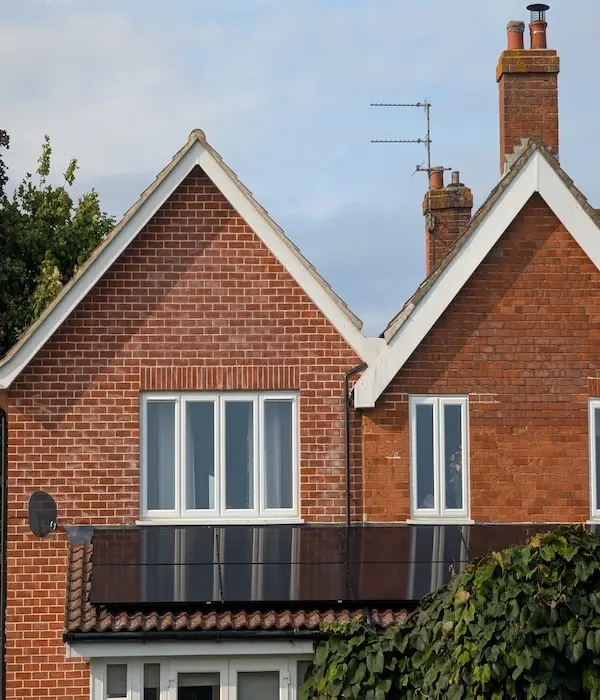
Common terms
Firstly though, let’s address the most common terms you’ll hear when talking about Installing Solar Panels.Solar Panels
The visible part of a solar energy system that sit on your roof or ground-mounted system. They are made from layers of semiconductor material (usually silicon) that react to sunlight. When sunlight hits the panel, it creates an electrical current inside the photovoltaic cells.
Solar Photovoltaic Cells
Photovoltaic (PV) cells are the individual energy-producing units inside each solar panel. Each panel typically contains 60–144 cells, and these cells are what actually convert sunlight into electricity. When sunlight hits the silicon material in the cell, it excites electrons and creates a flow of electricity known as direct current (DC).
Solar Panel Array
A solar panel array refers to the full group of solar panels installed on a property. For example, a small residential system may have 8–12 panels whilst a larger home may have 12–20 panels. The panels are wired together so they operate as a single electricity-generating system.
Solar Panel Mounting System
The mounting system is the framework that securely attaches solar panels to your roof or ground structure. It is designed to hold panels safely in place, withstand wind and weather and maintain the correct angle for sunlight exposure. Mounting systems vary depending on the roof type, such as tile roofs, slate roofs, metal roofs, or flat roofs, and are engineered to meet strict safety and structural standards.
Inverter
An inverter is a crucial part of any solar PV system. Solar panels generate electricity in direct current (DC) form, but homes and appliances use alternating current (AC) electricity. The inverter converts the DC electricity produced by the panels into AC electricity that can be used in your home.
Battery
A solar battery allows you to store excess electricity generated during the day so you can use it later, such as in the evening when the sun has gone down. Without a battery excess electricity is exported to the grid, with a battery you can store and use more of the energy your system generates. This increases energy independence and reduces electricity bills, especially when paired with smart tariffs.
Bird Mesh
Bird mesh (also called bird-proofing) is a protective barrier designed to stop birds from nesting under your solar panels. It is made from heavy-duty, weather-resistant wire - usually black nylon-coated galvanised steel - and is installed vertically around the entire outer perimeter of your solar array. It plugs the 10cm to 15cm gap between the top of your roof tiles and the bottom of the panel. Read more here
Measurements
Solar panel installation options
Below we’ve outlined some of the most common solar PV systems available for homes. However, choosing the right system involves more than simply selecting a panel type. Factors such as your roof type, roof condition, orientation, and available space all play an important role in determining the most suitable solution for your property.
This is where we can help.
Our team can carry out a free, no-obligation remote assessment of your property. By reviewing a few key details, we can evaluate your roof and energy requirements, narrow down the most suitable options, and design a solar system tailored to your home and your goals.
It’s a simple way to understand what’s possible for your property before taking the next step.
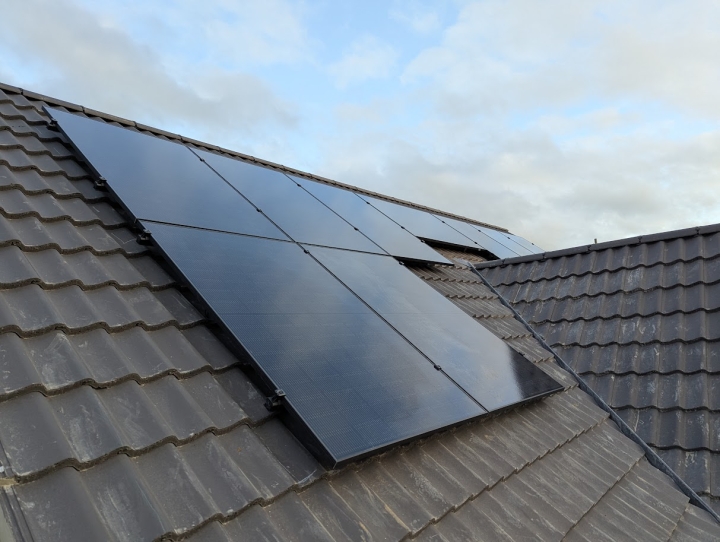
Standard Solar Panels (On-Roof Systems)
Standard on-roof solar panels are the most common type of installation found on UK homes. They offer excellent efficiency, reliability, and long lifespans, typically producing energy for 25 years or more.
Most modern panels are monocrystalline, meaning they are made from a single, pure silicon crystal which allows them to generate electricity more efficiently than older technologies. These panels are mounted on top of the existing roof tiles using a specialist mounting system. This creates a small air gap between the panel and the roof, which helps keep the panels cool and operating efficiently.
This type of installation is usually the most cost-effective and efficient option for homeowners.
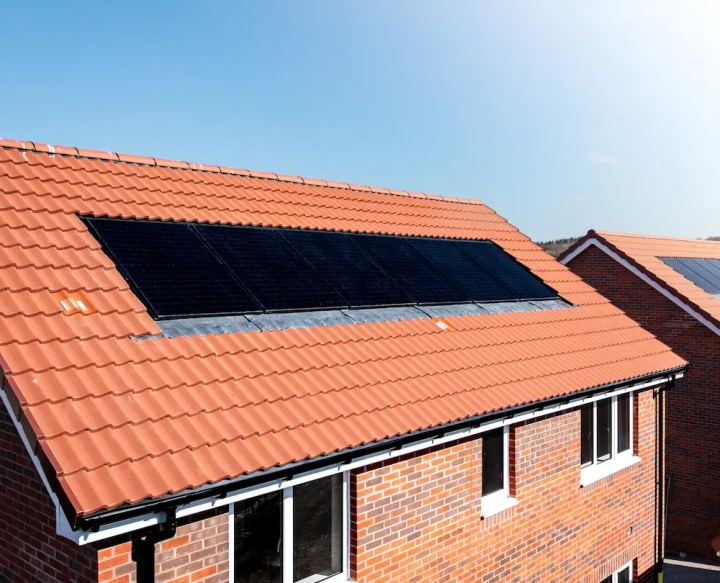
In-Roof Solar Panel Systems
In-roof solar systems (sometimes called integrated solar) are a modern alternative to standard on-roof panels. Instead of being mounted above the roof tiles, the panels replace a section of the roof covering and sit flush with the surrounding tiles. This creates a much sleeker and more integrated appearance.
Because the panels sit within the roof structure, they are often chosen where aesthetics are a priority. However, installation costs can be higher on existing homes because roof tiles need to be removed.
The panels can also run slightly warmer due to reduced airflow, which may reduce efficiency slightly compared with traditional on-roof systems. They are particularly well suited for New build homes, Re-roofing projects or Design-led properties.
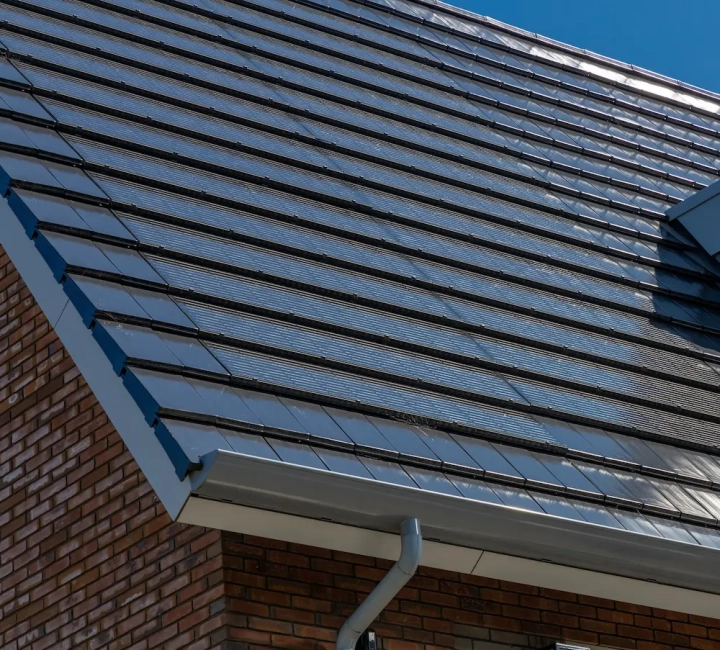
Solar Roof Tiles
Solar roof tiles (also known as PV roof tiles) take integration one step further by replacing the roofing material entirely. Rather than installing large panels on the roof, individual solar tiles are installed as part of the roof covering itself, creating a seamless and highly aesthetic finish.
As with in-roof solar panels, Solar roof tiles are most suitable for New build homes, Re-roofing projects, Conservation areas or properties where maintaining the building’s appearance is important.
While they offer a very clean and modern look, solar roof tiles are typically more expensive and less efficient per square metre than standard solar panels. However, for some homeowners the aesthetic benefits make them a worthwhile investment.
Transparent or Thin-Film Solar Panels
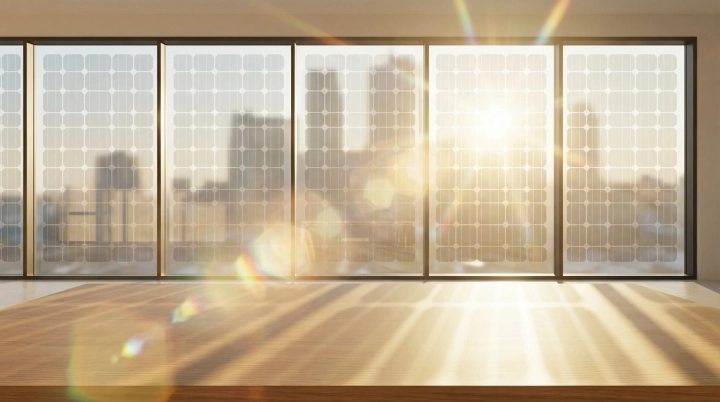
Thin-film solar panels use photovoltaic material that is applied onto surfaces such as glass, plastic, or metal rather than traditional silicon cells. This technology allows panels to be lightweight, flexible, and sometimes even semi-transparent, making them suitable for more specialised applications or where traditional panels may be too heavy for the roof structure.
They can be integrated into building materials such as glass facades or skylights. However, they generally produce lower energy output compared with conventional silicon panels.
Bifacial Solar Panels
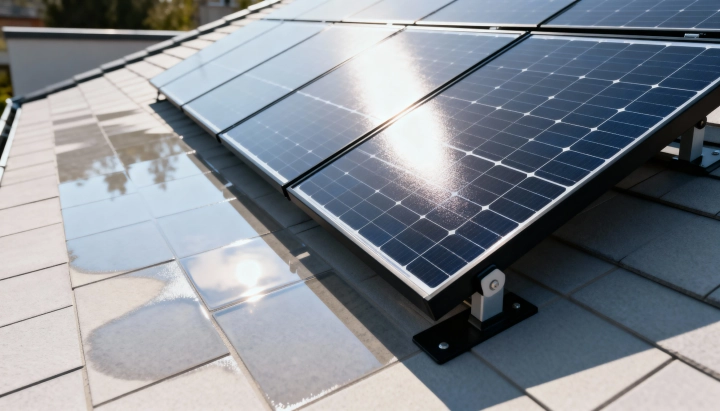
Bifacial solar panels generate electricity from both the front and rear of the panel. The front captures direct sunlight, while the rear side captures reflected light from the surface below the panels, such as light-coloured roofing materials, gravel, or concrete.
This technology can increase overall energy generation by 10–30% compared with traditional single-sided (monofacial) panels, depending on the installation environment.
Bifacial panels are particularly effective for Flat roofs, Ground-mounted systems, Installations where the surrounding surface reflects light well. They are typically heavier and slightly more expensive than standard panels, so structural considerations are important when designing the system.
Get In Touch
Arc Line Design is proud to be a trusted name in solar panel installation across Norfolk. We’re here to make renewable energy accessible, affordable, and hassle-free. Contact us today - your local solar panel installer in Norwich - and take the first step towards energy independence.
Call Arc Line Design today on 01603 975115 or use our contact form.